African American Poetry About History Identity & Culture
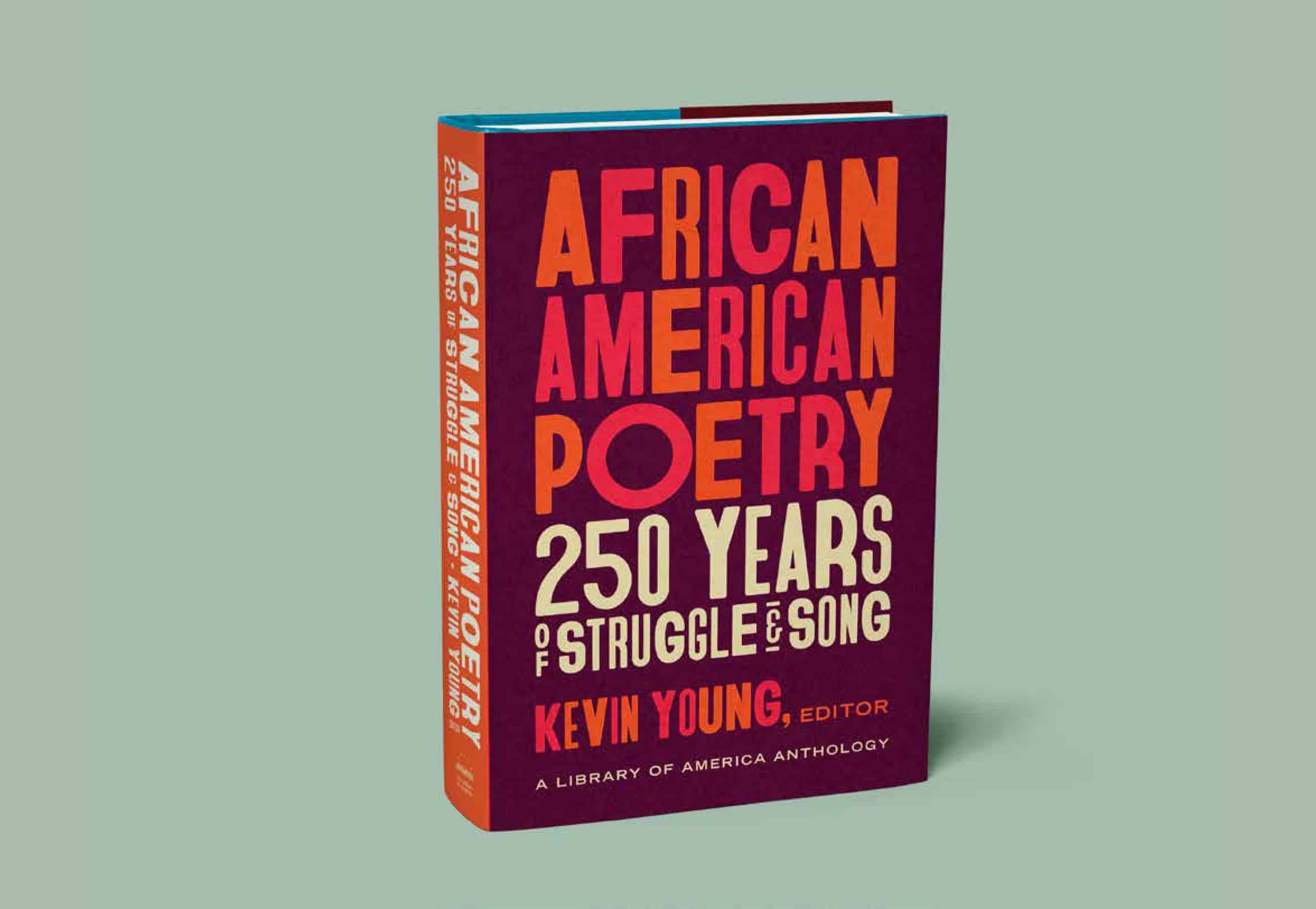
In the tapestry woven by the hands of time, African American poetry emerges as a poignant thread, intricately fashioned from strands of history, identity, and culture. From the murmurs of enslavement to the effusive expressions of liberation, the verses echo the resilience of a people who have navigated the tumultuous waters of existence. This poetic journey illuminates the profound relationship between history and identity, creating a rich mosaic that reverberates through generations.
Poets have long served as chroniclers of experience, using rhythm and metaphor to elucidate the complexities of the African American narrative. The works of luminaries like Langston Hughes, Maya Angelou, and Gwendolyn Brooks not only document the struggles of their forebears but also evoke the celebration of culture, pride, and community. Through their verses, the echoes of the past palpably resonate, offering insights into the collective consciousness of a dynamic heritage.
History unfolds within the pages of poetry, depicting the struggle against oppression and the yearning for freedom. Each poem morphs into a time capsule, encapsulating the vibrancy of cultural identity. In journeys marked by a quest for self, poets articulate the duality of being both African and American, navigating the liminal spaces where these identities converge.
Consider the following poem, a homage to the journey—
The Resonance of Roots

In shadows deep, where voices wade,
Through centuries of pain conveyed,
A legacy emerges bold and bright,
In whispered tales of heart's delight.

Upon the stage where history resides,
In every tear, in all that abides,
The songs of ancestors rise and soar,
With every stanza, we reclaim our lore.

Cotton blooms in fields once stained,
By shackled dreams and freedom feigned,
Yet through the darkness, hope took flight,
In the hearts of dreamers, alight with plight.

Oh, the rhythm of our people's plight,
From sorrow's depths to joyous heights,
We dance on graves of futures past,
In every heartbeat, a love steadfast.

For we are more than what was penned,
A narrative of strife that shall not bend,
Identity forged in the crucible’s fire,
In the essence of culture, we rise, we aspire.
This evocative piece acts as a mirror reflecting both anguish and exultation, embodying the essence of a community’s evolution. The rhythm pulsates with the heartbeat of a people intertwined with their past while forging a new narrative that shapes their future.
As one delves deeper into African American poetry, the themes of resilience, love, and hope resonate profoundly. The struggle for civil rights, equality, and dignity finds lyrical expression in the haunting refrains of poets who wield their pens like swords, fighting against the oppressive forces that sought to silence them.
Identity, too, emerges as a central motif, explored through the myriad lenses of personal and collective experience. Poets articulate the complexity of existing within a society that often seeks to obscure one’s heritage. From the rhythmic cadences of spoken word to the structured elegance of free verse, every poem weaves an intricate narrative that seeks to affirm the dignity and humanity of those who have been marginalized.
Moreover, the portrayal of culture—the richness of traditions, the vibrancy of community—shines through the verses. Poetry becomes a vessel for cultural memory, as poets embrace the stories of their ancestors, the songs of their lands, and the flavors of their upbringing. The art of storytelling remains pivotal; it is through these narratives that the past is preserved and celebrated.
In exploring the intersections of history, identity, and culture, one encounters an enduring truth: the power of poetry is transformative. It offers a sanctuary for voices that have long been silenced, granting agency to the stories that need to be told. This literary form serves not only as a means of artistic expression but as a conduit for social change, igniting awareness and empathy in its wake.
Through poetic discourse, an expectation arises—the expectation that the stories shared will cultivate understanding, foster connection, and inspire future generations. The legacy of African American poetry rests upon the shoulders of those who dare to pen their truth, evoking passion and purpose in every verse. It calls upon humanity to bear witness, to listen, and ultimately to reflect.
As we traverse this lyrical landscape, let us engage with the powerful verses that illuminate the multifaceted dimensions of the African American experience. Let these poems serve as beacons, guiding us through the complexities of history, identity, and culture. For in each word lies an indomitable spirit—a testament to resilience and a celebration of life, love, and humanity.
In conclusion, African American poetry is not merely art; it is an evolving dialogue with history, identity, and culture—imbued with an expectation that its resonance will ripple through time, inspiring and transforming those who pause to listen and reflect.