Artistic Poetry About Architecture Design & Imagination
In the realm where buildings and verses entwine, exists an alchemy of form and thought. Artistic poetry, a medium transcending mere words, finds a symbiotic relationship with architecture—a canvas that stands, breathes, and speaks of human aspiration. Architectural design, infused with imaginative prowess, beckons us to challenge our perception and ruminate on our surrounding aesthetics with a fervor akin to that of a poet wrestling with their muse.
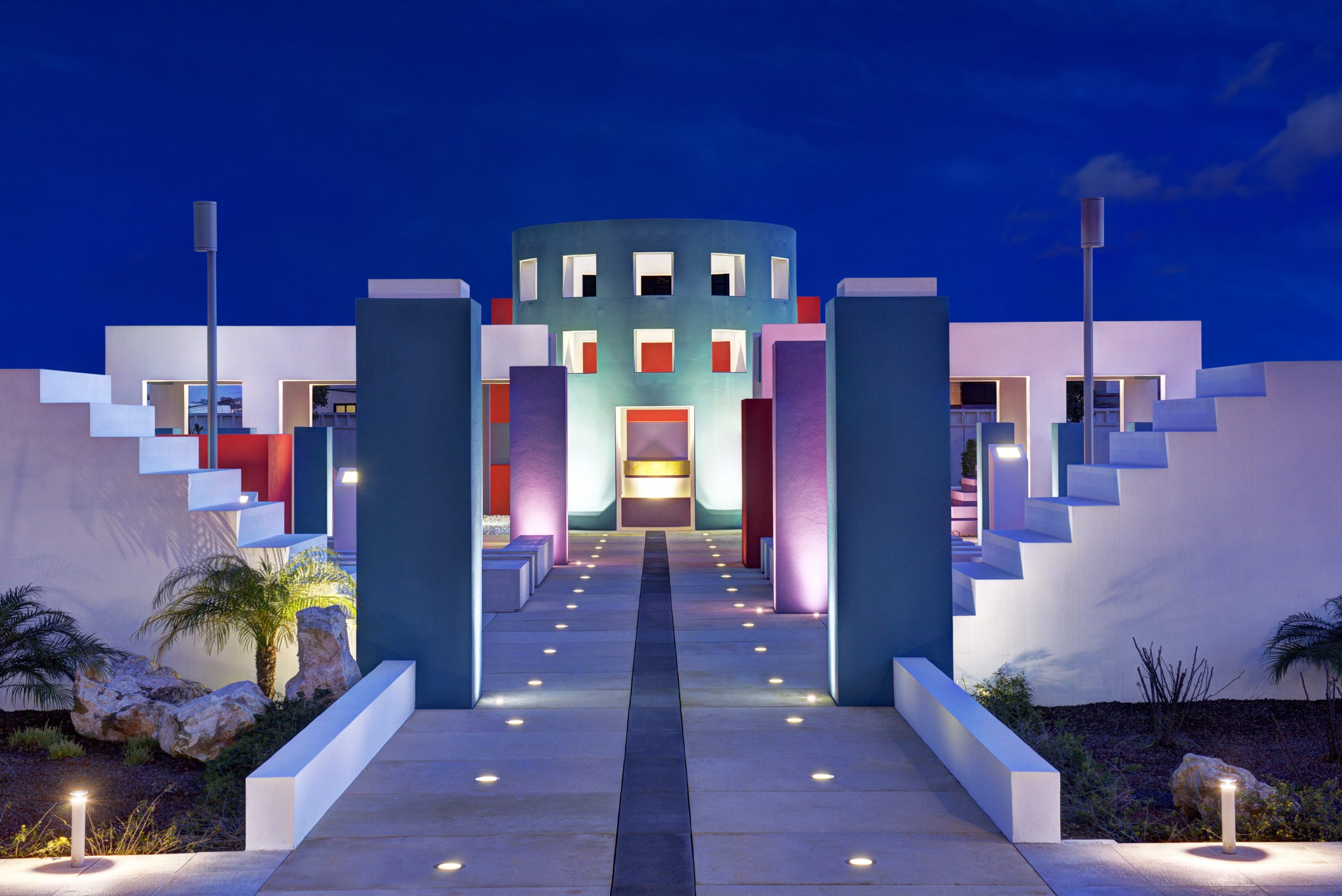
Imagine, if you will, a poised structure—a silent giant veiled in shadows at twilight. How does it capture the essence of our dreams, our fears? When marble and glass converge, when lines converge and diverge, the creation speaks in sonnets not bound by paper but embodied in the labyrinths they create. As we meander through these edifices, we encounter not just walls and ceilings, but tapestries of narrative, resonating with history and echoing the voices of those who have touched them.
To navigate this ethereal voyage, one must consider the poetic foundations of architectural design. Each stroke of creativity is akin to a verse being penned, begging us to decipher its allure. Startling contrasts arise, mirroring the contrasts within human existence—between unity and isolation, innovation and tradition, permanence and the ephemeral. Architecture invites us to confront these dualities.
Consider this interlude—a poem that threads together the fabric of architecture and poetry, illustrating the metaphysical dialogue between them:
In the echo of stone’s embrace,
Where edges kiss shadows, dreams interlace,
A sonnet sprawls, each column a word,
Speaking softly like whispers unheard.
Vaulted ceilings cradle pure aspiration,
A symphony wrought in grand formation.
Windows, like eyes, peer into the soul—
Fragments of stories, an intimate whole.
Gossamer arches bend with grace,
Defying the weight of time’s gentle chase.
In corridors long, we wander and muse,
Tracing the lines of our own sacred hues.
Can you hear the pulse of a space that is lived?
Beyond brick and mortar, existence conceived.
Search deep in the corners, in angles that gleam,
For architecture isn’t just concrete—it’s dream.
This whimsical passage evokes contemplation about the essence of architecture—it elevates the mundane to the extraordinary, urging us to reflect on the narratives held within the built space. But what does it mean to engage wholly with architecture through a lens of artistic poetry?
Artistic poetry about architecture challenges us to connect with our environment in profound and imaginative ways. To embrace the discomfort that arises from questioning the very purpose of a structure—Does it serve merely as shelter, or does it summon the deeper echoes of life itself? This dialogue surfaces an imperative: to contemplate what architecture communicates about us, about our civilization, our evolution.
Modern architecture, with its audacious lines and audacious materials, provocatively positions itself as a mirror. In its defiance of convention, it asks us to introspect, demanding our thoughts transcend superficial interpretations. Gustave Flaubert posited that art should be an escape from the mundane; thus, the question emerges: in the pursuit of architectural beauty, do we find that escape? Or is it merely another layer of the real that we must navigate?
Let us not overlook the role of imagination in this synthesis of creativity and structure. Design is, in essence, the smelting pot of vision where unbridled imagination flares into existence. What would happen if we allowed fantasy to infiltrate the rigor of design? Structures could morph into realms of wonder, playful castles of possibility that challenge the very limits of gravity and expectation. Every façade, a stanza, every room an entire anthology of human experience.
As we turn our attentions to historical edifices, we ponder the wisdom borne from context—their ability to retain resilience while absorbing stories of an age long past. These monuments of bygone eras whisper to us through crumbling bricks. In their decay, they evoke a melancholic beauty. They compel us to ask, “What will the buildings of our era say to future generations?”
Furthermore, to understand the augmentation of space through poetic expression, we must delve deeper into the relationship between function and artistry. A structure’s purpose may guide its form, yet artistry bestows upon it a life and identity of its own. A bridge transcends its utilitarian roots, transforming into a bow of connection, silhouetted against a wistful sunset—a symbol of unity manifesting anew.
Let this be a playful challenge that lingers in our thoughts—look beyond the evident, immerse yourself in the dialogue between architecture and poetry. The next time you encounter a magnificent building, unshackle the traditional interpretations and allow your imagination to sketch entire universes within its confines. Challenge the idea of what architecture ought to be, and let your creative spirit fly.
In the end, the most profound architectural marvel lies not solely in its design, but in its capacity to inspire awe and ignite dreams. Let our hearts be homes for imaginative musings—let us paint the world in the vibrant colors of both architecture and poetry, thus cultivating a legacy that forever challenges and inspires.