Dark War Poetry That Reveals the Brutal Truth
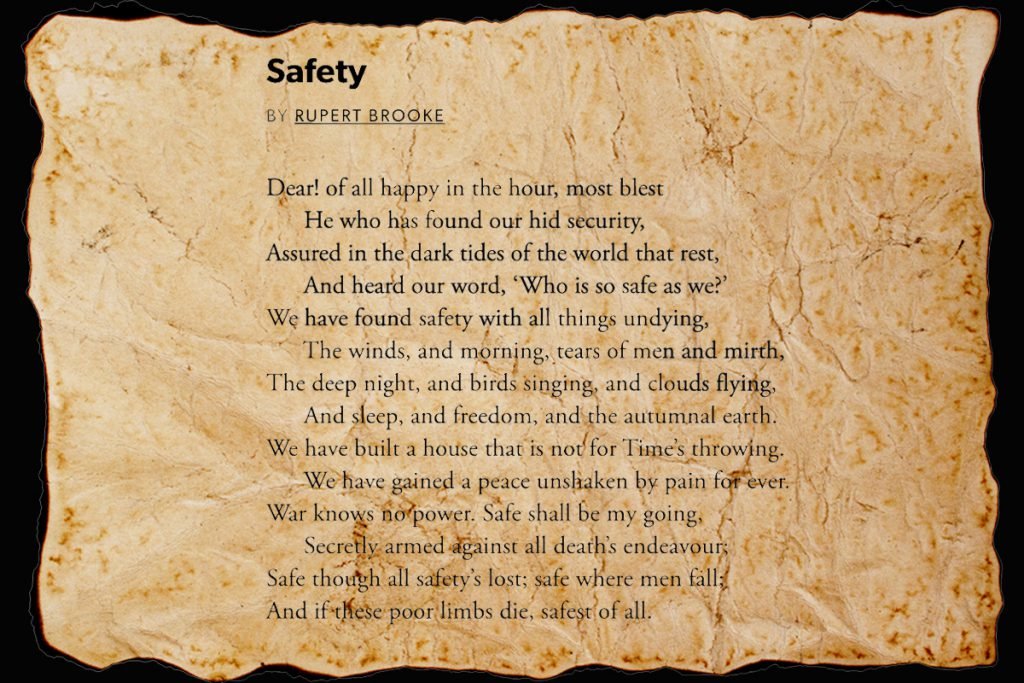
In the realm of literature, poetry stands as a haunting whisper, a poignant echo of human experience. But when the ink upon the pages drips with the shadows of war, it transforms into a compelling narrative, each stanza bearing witness to the ferocity of existence. Dark war poetry is not merely an art form; rather, it is a visceral confrontation with the harrowing truths of conflict, resilience, and the human spirit. Let us traverse this abyss together, with veracity as our guide, to unveil the fanged truths lurking within the stanzas of sorrow.
1. The Echo of Shadows: Nature of War Poetry
At its core, war poetry encapsulates the tumultuous emotions and the stark realities faced by those caught in the throes of violence. Oftentimes, it unveils a duality: the bravery of the soldiers spirit tempered by the desolation of lives lost. Dark war poetry serves as a mirror, reflecting the chaos and the disillusionment that accompany the clang and clash of battle. It beckons us to engage with the follies of humanity, questioning our understanding of honor, sacrifice, and courage. The stench of gunpowder mingles with the fragrance of lost dreams, creating a tapestry dense with unsettling hues.
2. Methods of Conveyance: Imagery and Symbolism
To navigate the labyrinth of dark war poetry, one must first acknowledge its linguistic apparatus. Through vibrant imagery and sharp symbolism, poets cast scenes that haunt our very souls. Consider the powerful visual language that evokes the acrid smoke of gunfire or the silent desolation of a battlefield strewn with memories. Each metaphor acts as a brushstroke on the canvas of despair, portraying the oft-hidden truths of valor, insanity, and grief. The use of juxtaposition—between the glorification of war and its grotesque reality—serves to challenge our perceptions, daring us to reassess the glorified narratives often presented.
3. A Dance with Dissonance: The Poetic Devices of War
Within the textures of war poetry, dissonance reigns supreme—an intentional cacophony that echoes the chaos of conflict. Poets employ diverse devices: alliteration that ripples like the sound of marching feet, enjambment that propels us forward into the abyss, and simile that draws distressing parallels with themes of love, loss, and longing. This intricate dance of linguistics facilitates an emotional depth that elicits visceral responses from the reader, compelling them to grapple with the complex facets of humanity’s darker impulses.
4. Unfurling the Troubling Truths: An Exploration of Themes
The themes prevalent in dark war poetry resonate with an unsettling familiarity. Firstly, the theme of loss reigns paramount. The haunting cries of widows and orphans fill the air, their grief becoming palpable in a poem’s lingering silence. Furthermore, the theme of disillusionment emerges as a poignant undercurrent. Soldiers who once believed in valor often confront the futility of their sacrifices – a gut-wrenching journey from idealization to dehumanization. Lastly, the theme of resilience threads through the sorrow, as survivors emerge from the ashes of their heartbreak, their cries for peace becoming an anthem for humanity.
5. A Poetic Challenge: Embrace the Darkness
This brings us to the challenge of confronting our own apprehensions. Can you bear witness to the agony and find the flicker of hope amidst the darkness? Here, within these lines, lies a poem—an invitation to peer into the abyss and embrace the tumultuous journey of understanding:
In fields where sunlight fears to tread,
The echoes of the fallen bleed in red,
Ghosts of valor roam the gusty winds,
Whispering tales of wounds that never mend.Can you feel the heartbeats tremble, fear’s embrace,
The darting gaze that seeks a saving grace?
The banners—tatters waving through the mire,
Bear witness to the souls consumed by fire.Do you taste the ash of dreams abandoned,
The bitter schism where madness has crept unbidden?
Within the silence, echoes howl and groan,
For all that’s lost, the price of flesh and bone.Will you carry forth their legacy of pain,
Raise your voice against the endless chain?
In darkness, find the thread of light’s embrace,
Dare to challenge fate—this tragic race.
6. Our Shared Humanity: The Call to Action
As we decipher the indelible scars left by conflict, dark war poetry implores us not to turn away. It invites us to step into the shoes of those caught in the tempest, urging a recognition of our shared humanity. With each recitation, each heart rendered bare beneath the weight of truth, we facilitate understanding and engagement. Thus, we unravel a collective narrative—one that is reborn with every generation, echoing a universal call for peace, compassion, and awareness.
7. Conclusion: The Legacy of Courage
In the end, dark war poetry serves as a poignant reminder of courage—an audacious challenge to acknowledge the agony while aspiring to a brighter horizon. It beckons us to listen closely, for therein lies the heartbeat of the world. Through the pen’s ink-stained whispers, we find the grit of humanity enduring, unyielding amidst the chaos. To read is to remember; to remember is to hope. Let us immerse ourselves, then, in the haunting beauty of dark war poetry, cherishing its brutal truths and forging paths toward peace.