Diamante Poetry About Natural Disasters (Typhoon Examples)
In the face of tempestuous skies, we find ourselves pondering the paradoxes of nature: its breathtaking beauty intertwined with the devastation of natural disasters. Among such calamities, the typhoon looms large, a harbinger of chaos that challenges our own fragility. Yet, in the throat of the storm, there lies a poetic form: the diamante poem. This seven-line composition manifests a unique structure, distilling the essence of both beauty and destruction into crystalline words.
Let us explore the concept of diamante poetry, particularly through the lens of typhoons, inviting you to engage not only as readers but as creators. How does one encapsulate the ferocity of wind and rain into a concise form? What metaphors can an artist wield to bridge the gap between tranquility and turmoil?
Diamante Poetry - A Form of Contrasts
The diamante poem is constructed with a delicate symmetry, often illustrating opposing ideas. Typically, it begins with a noun, progresses through adjectives, gerunds, and culminates in a contrasting noun, mimicking the very structure of life itself—where shadows dwell alongside light. In our case, we shall explore the dichotomy of serenity and havoc, yielding a deeper understanding of how typhoons transform landscapes and lives alike.
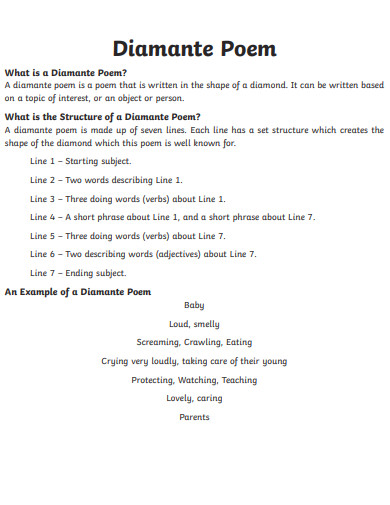
Structure of a Diamante Poem
A diamante poem consists of seven lines:
- Line 1: Noun (subject one)
- Line 2: Two adjectives describing the first noun
- Line 3: Three gerunds (verbs ending in -ing) related to the first noun
- Line 4: Four nouns, the first two related to the first subject, and the second two related to the contrasting subject
- Line 5: Three gerunds related to the second noun
- Line 6: Two adjectives describing the second noun
- Line 7: Noun (subject two)
Let us now endeavor to create a diamante that evokes the sensations surrounding a typhoon.
Example of a Diamante Poem: Typhoon
<strong>Typhoon</strong>
Furious, Wild
Howling, Crashing, Thundering
Battering, Whirling, Unleashing
Destruction, Wind, Water, Rage
Surging, Wailing, Drowning
Furious, Relentless
<strong>Calm</strong>
Through this form, a narrative unfolds—a whirlwind encapsulated in concise imagery. From the furious winds to the eventual calm, the diamante mirrors nature’s cycle of ruin and recovery. But poetry, like nature, demands engagement; your challenge is to wield this structure and articulate your own experiences with the ferocious beauty of storms.
The Impact of Typhoons: A Call to Reflection
Each year, the world bears witness to typhoons that carve paths of destruction across cities and coastlines. They unravel communities, casting individuals into a chasm of uncertainty. Yet amid the wreckage, there lies an opportunity for rebirth. Nature showcases resilience, but what of the human spirit? How do we rebuild from the shards left behind? This speaks not only to the physical reconstruction but to the emotional healing that must follow the storm.
Consider the metaphors that resonate within the aftermath of such natural disasters. They serve as poignant reminders of both our vulnerability and our tenacity. The shattered trees, the uprooted lives; these tell tales of survival, a relentless dance to reclaim joy amid adversity.
Engaging with Nature’s Symphony
To truly embrace the art of diamante poetry, one must delve into sensory experiences. Picture the eerie calm before the winds howl, the salty aroma of the sea mingling with the damp earth, the sound of raindrops as they create an orchestra of chaos. Such immersions allow us to translate emotion into verse, and through those verses, perhaps inspire others.
What will your diamante reveal? Listen closely to the winds, the whimpering of trees bending to the will of an unseen force. From destruction sprouts hope; from chaos emerges beauty. How do these elements converge in your thoughts? The composition of your poem can just as well be a direct challenge to the reader, an invitation to reflect upon resilience, memory, and the indomitable spirit that binds us in adversity.
Creating Your Own Diamante
As you embark on this creative endeavor, consider the following:
- Choose two nouns that can be juxtaposed; these could be elements of nature or emotions tied to its effects.
- Write freely—let the adjectives and gerunds flow, allowing your imagination to frame the scene and mood.
- Remember, the essence of a diamante lies in its contrast; highlight this in your word choices.
- Revise your poem, ensuring each line sings the duality of emotion inherent in the experiences of typhoons.
Ultimately, through diamante poetry, we challenge ourselves and each other to not only bear witness to the storms that ravage our landscapes but to find harmony amidst discord, appreciation within destruction. How will you answer the call to write your own diamante, transforming the tempest into art, chaos into clarity?