Famous Poetry About Flowers Fire & Natural Beauty
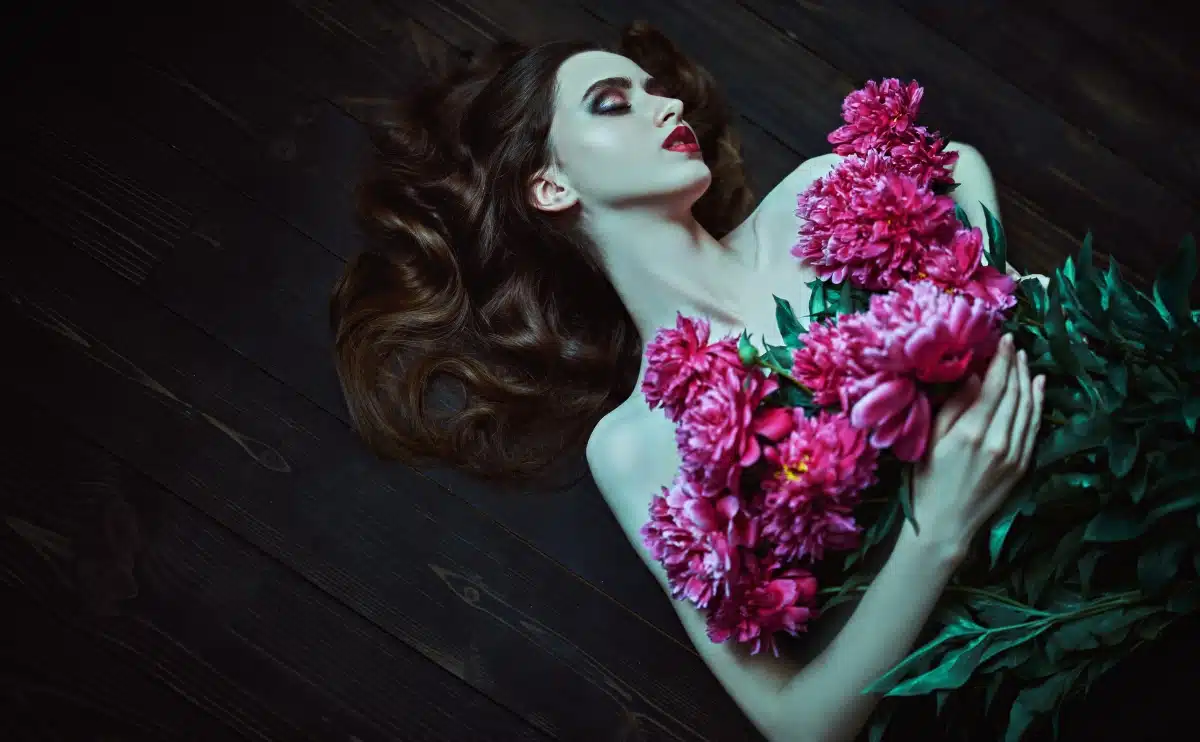
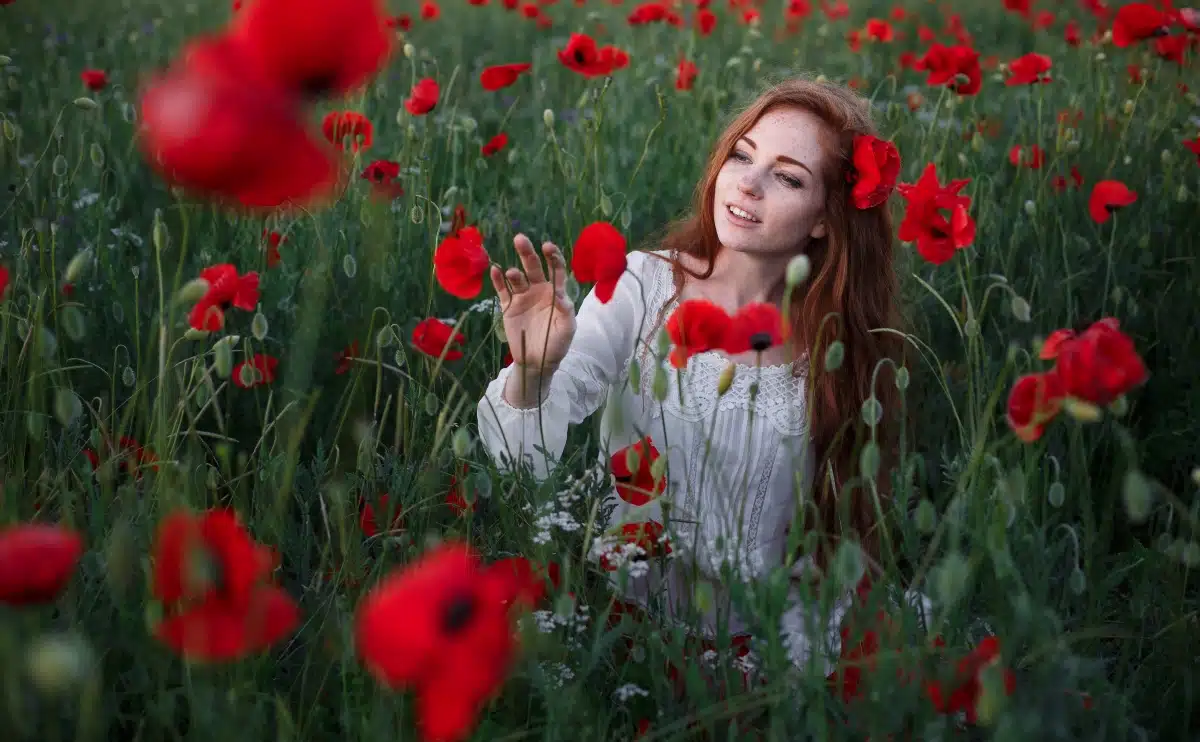
Amidst the verdant embrace of nature, flowers bloom like the words of poets—a tapestry woven with threads of color, scent, and emotion. They hold the essence of ephemeral beauty, drawing us into their world. When one whispers the term “flower,” a cascade of images floods the mind: sun-kissed meadows, vibrant gardens, and the delicate stitching of petals that dance upon the breeze. Yet, flowers do more than beautify our surroundings; they evoke profound reflections on life itself.
The works of renowned poets often illuminate this connection, embracing the fiery elements of nature alongside blooming buds. Let us present to you an opulent bouquet of verses that celebrate not just the appearance of flowers, but their intrinsic connection to our emotional landscapes, our passions, and even our tribulations.
Consider the graceful lines of William Wordsworth, whose affinity for nature is depicted with fervor. He immortalizes daffodils swaying in the gentle breeze, becoming a metaphor for joy unfurling within the soul. His famous stanza:
“Ten thousand I saw at a glance, Tossing their heads in sprightly dance.”
This vivid imagery conjures a scene, yet it poses an invitation: how often do we allow ourselves the freedom to revel in such affinity with the natural world? To challenge oneself is to seek the same exuberance during one’s own moments of solitude.
Transitioning from the idyllic serenity of Wordsworth, we warp our perceptions to the fiery embodiment of nature through the works of Emily Dickinson. Her poems shine like sunsets—an interplay of light and darkness. With a deft hand, she explores themes of mortality, beauty, and the ephemeral nature of existence. In “The Flower,” she ruminates:
“A flower, if I could catch it, In a note of the heart, Should blossom every meeting, And perish with the part.”
Here, one is prompted to ponder deeply: can we control our experiences with beauty, or do they slip through our fingers like grains of sand? Dickinson beckons us to recognize that the transient fire of a single bloom, much like our fleeting joys, is a call to seize the moment; whether it be in in love, in artistry, or in the warmest sunsets of our lives.
Yet, flowers often arise from fire—a paradox of beauty born from destruction. The phoenix lily (or the fire lily) emerges in charred earth, symbolizing the resilience of nature. Therein lies a potent theme explored by poets such as Robert Frost, who weaves nature’s dualities into the fabric of his work. In his poem “Fire and Ice,” he bravely contemplates the world’s end:
“Some say the world will end in fire, Some say in ice. From what I’ve tasted of desire I hold with those who favor fire.”
Frost teases us with the contention of opposing forces: fire and ice, passion and indifference. The flames of our desires could indeed lead to destruction or inspire fiery blooms of creativity. How then do we choose to cultivate our passions? In engaging with beauty—natural or otherwise—we are faced with the challenge of embracing their inherent contradictions.
Seeking further still, we turn to the remarkable imagery of Pablo Neruda, whose words unravel the depths of love entwined with nature’s fragrance. The Chilean poet penned verses that resonate with palpable emotion. In his “Sonnet XLV,” he writes:
“…Your petals in my hand, I want to feel them bloom, A world unfolding as it should.”
Herein, Neruda ignites a fire within the reader, a yearning that mirrors the relationship between humanity and the flowers—their beauty intrinsic, their fragility present. The act of holding a flower becomes a dialogue with nature, a moment where time suspends itself. The challenge posed by Neruda is to approach love, beauty, and nature with intention, lest we miss the profound pulse at the heart of experience.
Let us not forget the exquisite endeavor of Elizabeth Bishop, for whom the meticulous observation of nature opens the soul’s gateway. In “The Fish,” she diverges from flowers yet symbolizes resilience through the vivid details mirroring natural beauty. In glimmers, she writes:
“I caught a tremendous fish And held him beside the boat Half out of water, with his gills And entranced by the shimmering scales.”
Here, one sees that beauty encompasses more than flowers; it finds its way into all aspects of existence, painting the world with scars and glimmers alike. The art of poetry lays bare the challenge of recognition—can one see the beauty, however flawed, in the depths of their struggles? Nature’s beauty may take myriad forms, daring us to seek it beyond the petals.
As we meander through this floral symposium of verses, an intricate dance emerges—each poet a gardener, cultivating beauty with words that transcend the ordinary. The challenge laid before you, dear reader, is to embrace the invitation of nature’s bounteous creations. Infuse passion into your pursuits, let the delicate echoes of flowers inspire your journey, and delve into the flames of artistry and emotion that crown our existence. For in every blossom lies not just a symbol of beauty, but a profound reminder of connection and courage, love and loss, waiting to be embraced in the bloom of life.
Thus, as we step outside the confines of prose, let us each release ourselves into the wild embrace of flowers and fire—a call to evoke beauty and confrontation, where nature’s whispers summon our most heroic selves.