Is Poetry About Real Issues or Just Beauty? (Deep Dive)
In the dim-lit alcoves of humanity’s expressions, a perennial question lingers: Is poetry simply a gilded reflection of life’s exquisite aesthetics, or does it plunge its ink-dipped quill into the depths of our raw, unvarnished realities? This dichotomy invites the cascading thoughts of both novices and seasoned scholars of verse, as we embark on an explorative journey through the lyricism of existence.
At the intersection of beauty and truth, poetry stands as a prism, refracting the multifaceted experiences of life. It is where the delicate blooms of emotion intertwine with the thorny issues that plague society, clasping hands in a dance of graceful tension. Thus, with each verse crafted, we must question: Can the poet transcend mere aesthetics to confront the immediate and pressing matters of life, or do they remain ensnared within the lattice of artistic admiration?
To unravel this complex tapestry, one must navigate through the various dimensions that poetry layers upon our senses.
The Aesthetic Experience
First, let us luxuriate in the realm of beauty. The cadence of a well-structured sonnet, the euphonious language painting dreamy landscapes—these are the hallmarks of poetry’s aesthetic appeal. In a world rife with chaos, consuming art imbued with beauty can provide solace. It is a refuge where one can escape the relentless clamor of existence.
Consider the work of Keats, who encapsulated such musings in “Ode to a Nightingale”:
“Thou wast not born for death, immortal Bird! No hungry generations tramp thee down; The voice I hear this passing night was heard In ancient days by emperor and clown.”
“Beauty is truth, and truth beauty,” he proposes, suggesting that the appreciation of beauty itself may lead one to sublime truths. Yet, therein lies a paradox; can the contemplation of beauty eclipse our perception of the grimmer realities juxtaposed against it? Confronting Harsh Realities
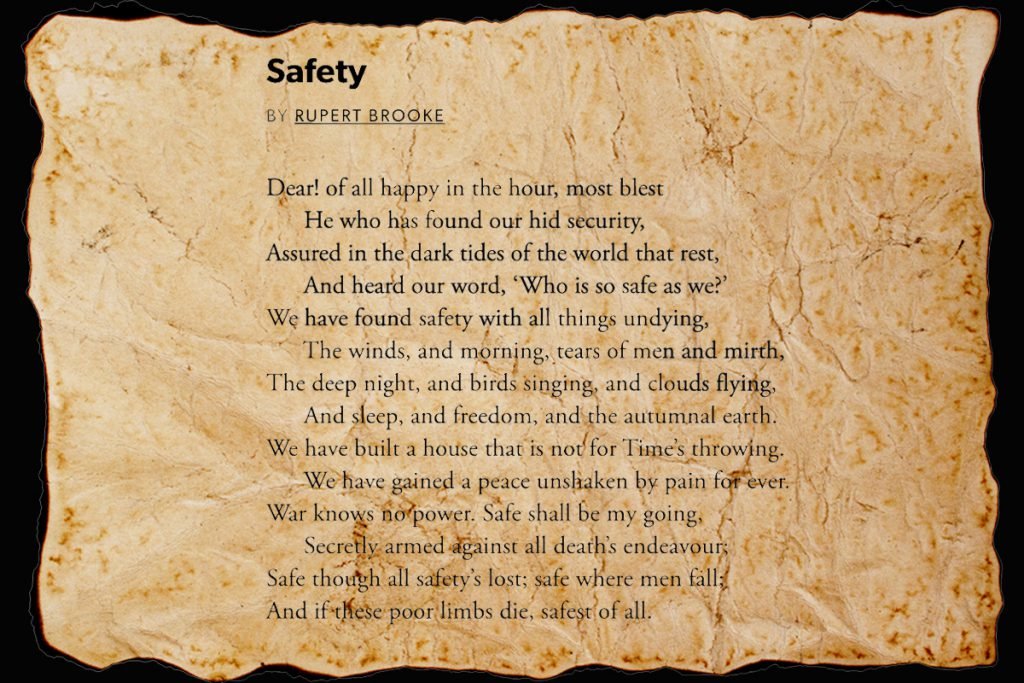
Contrast reigns supreme in this inquiry. Poetry often serves as a forthright voice—unmasking societal ills, unraveling personal grievances, and interlacing themes of love, loss, and injustice. Wars are penned in sonnets, and visceral pain spills across lines like ink from a quill.
Let us reflect on the poignant verses of Maya Angelou, whose “Still I Rise” echoes through the caverns of despair with unyielding defiance:
“You may write me down in history With your bitter, twisted lies, You may trod me in the very dirt But still, like dust, I’ll rise.”
Here, the shimmering layer of beauty intertwines with a visceral confrontation of oppression—asserting that poetry can be a weapon against the unforgiving weights of reality.
Expression of Internal Turmoil
Moreover, poetry emerges as a vessel for self-reflection and the intricate nuances of individual experiences. The poet’s heart, a palpitating reservoir of emotions, flows onto paper in elaborate webs of honesty. This authenticity allows poets to articulate feelings that may have otherwise remained languishing in silence.
What if a poet finds themselves entrapped within a whirlwind of existential dread? Those turbulent emotions can become the very marrow of their verse, compelling readers to engage with their internal battles. The stark beauty of Sylvia Plath’s “Lady Lazarus” beckons us to witness not only the beauty in resilience but the stark realities of mental anguish:
“I rise With my red hair And I eat men like air.”
In this haunting declaration, she confronts the starkness of her struggles, illuminating the dark chasms where beauty and pain coexist.
The Ethereal Bond Between Beauty and Reality
As we sift through these layered reflections, we grapple with the interstice separating beauty from harsh realities. Many poets ingeniously marry the two; they do not merely choose between. Instead, poetry can be the conduit linking them—the very essence of existence.
Let us delve into the ephemeral nature of beauty, evoking a transient moment that crystallizes a stark reality. In crafting metaphors, poetry can elevate an everyday occurrence into the realm of extraordinary significance.
Wit, Irony, and Humor
It is within the domains of wit and irony that poets often undertake a dual critique of life’s absurdities—either beauty becomes the foil against which reality’s flaws are illuminated, or reality taunts beauty with its imperfections. In the playful elegance of e.e. cummings, we find humor that reveals profound truths:
“Here is the poem of your life, so far as your life can be a poem Now we can say that the sun is the sun—but the heart is not on fire.”
This lightheartedness belies the undercurrents of profound existential inquiry, proving that humor can deftly traverse the murky waters of bleak reality.
A Call to the Reader
So, dear reader, as we peer through the amber-hued lens of poetry, let us pose a challenge: Will you merely drift along the tranquil shores of beauty, or will you plunge into the tempestuous ocean of reality that poetry dares to confront? Allow each verse to resonate, making you question, feel, and comprehend … and perhaps, just perhaps, giving you the courage to face the unvarnished truth with an appreciative heart for both beauty and sorrow.
The Unbroken Circle
Poetry is an unbroken circle—a vessel that traverses realms, intertwining beauty and the profound concerns of existence. Let it captivate your soul and spark dialogue, for it is both a refuge and a challenge, urging us towards comprehension and compassion. As we unfurl the spools of verse, let us embrace the duality of life, and with each line, find solace in both beauty and truth.