Japanese Poetry About Nature Moon & Mythical Creatures
In the hallowed realm of Japanese poetry, nature dances hand in hand with the ethereal. Among the whispering pines and gentle streams, the moon hangs like a silver coin, its ghostly visage inspiring countless verses that echo the sentiments of poets. These arena of ink and dreams summons forth mythical creatures, weaving them into the very fabric of existence, blending reality with the extraordinary. The imagination roams freely in this enchanted landscape, as expectations of the characters—both human and mythical—flutter like cherry blossoms in a spring breeze.
To embark on this journey, one must understand the profound relationship that Japanese poets have forged with nature. The sakura, or cherry blossom, represents both beauty and the ephemeral nature of life; it blooms vibrantly only to vanish swiftly, thus mirroring human existence and our fleeting aspirations. The moon, a silent observer, reflects the dreams and longings of those who gaze upon it—each crescent carving spaces for hope amid despair. The juxtaposition of these two profound natural elements forms a foundation upon which characters in poetry are built.
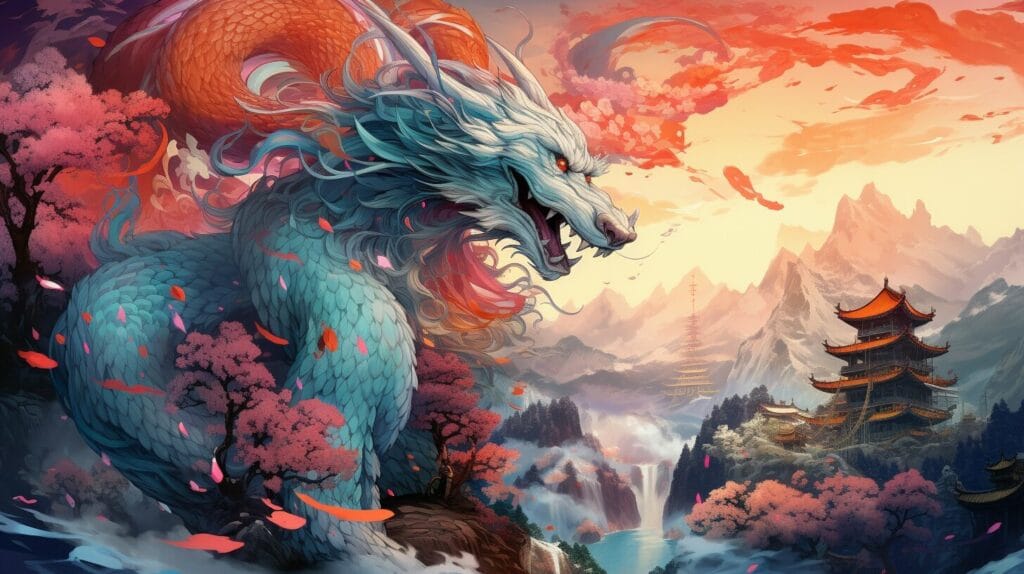
Cascading rivers sing the ballads of mythical creatures. The storied kappa lurks beneath the water’s surface, a mischievous spirit with the semblance of a turtle, whose longing for human companionship leads to amusing tales fraught with whimsy. The legendary kitsune, or fox spirit, is often depicted as a shapeshifter, embodying both benevolence and deception, weaving an intricate narrative on love and betrayal. These mythical beings, though fanciful, are proxies for human emotions and societal expectations, allowing poets to explore the complexities of existence encased within their enchanting tales.
Consider the grace of the moonlit night. The sounds of nature weave a harmonious composition; the croaking of frogs, the rustle of leaves, the distant call of the nightingale. They serve as a backdrop, enriching the poetic experience. It is within this serene setting that poets find their muse—an invisible thread connecting the tangible with the ephemeral, the heart with the cosmos.
Amidst these thoughts, let us pause and breathe in the beauty of the words:
In the tranquil glow of a moonlit night,
The blossoms whisper secrets of February’s flight;
Where spectral kappa with laughter splashes,
And fleeting dreams through the night air dashes.With the fox-riddled tales of love and wiles,
The moonlight pirouettes, and the world beguiles.
In shadows deep, the spirits twine,
Weave a tapestry both divine and malign.
This poem serves as a portal into the intricate world where nature, the moon, and mythical creatures converge, each line steeped in emotion, each stanza reflecting the duality of our desires and fears. The characters embedded in these verses resonate with expectations of honor, creativity, and the transcendence of the human spirit.
Dive deeper into the nuance of Japanese poetry to reveal how every character—whether human or mythical—mirrors the core of human existence. The allure of the moon, so often depicted as a solitary figure in the sky, invokes a longing for connection in its observers. This profound connection can be expressed through the delicate brush of ink upon paper, where potent imagery encapsulates inner thoughts and feelings.
For instance, the practice of haiku, a revered form of Japanese verse, embodies the intersection of brevity and depth. A mere three lines become a vessel for mountain vistas, moonlit nights, and murmuring streams. Each syllable carries its weight, demanding specificity and clarity, inviting the reader to engage with the world through the poet’s eyes. There lies a responsibility in the expectations of a haiku—it must invoke an image, stir an emotion, and resonate with an eternal truth.
As the seasons change, so too do the themes of Japanese poetry evolve. The vibrant hues of summer’s blossoms transform into the crisp palette of autumn’s falling leaves, each metamorphosis captured in verse. Imagery shifts from blooming sights to the introspection of fading light, paralleling transformations within the characters who inhabit these lines. Emotions are distilled into poignant reflections, allowing readers to contemplate their own journeys, entangled in the web of expectations and dreams.
This interplay between nature and the human experience continues through the symbolism of creatures such as the Tengu, guardians of the mountains, representing the elusive quest for wisdom. This mythical figure is both revered and feared, embodying the intricate dance between knowledge and power. Characters intertwined with these emblems hint at personal aspirations, urging readers to embrace their own path while navigating the labyrinth of societal expectation.
Ultimately, Japanese poetry masterfully portrays the relationship between humans and the natural world, offering a serene lens to view life’s myriad complexities. Through the reflective gaze of the moon, with mythical creatures hovering at the fringes, each poet breathes life into characters laden with expectations, illuminating the very essence of the human condition—the longing to belong, to transcend, to understand. In this embrace of nature and artistry, what emerges is a timeless communion of spirit, threaded through verse, resonating through the ages.