Lamentation Poetry About War Loss & History
In the annals of history, few subjects evoke such visceral emotions as the lamentation of loss in the throes of war. A cacophony of grief and despair dances upon the pages of poetic verse, where each line seeks to encapsulate the unspeakable sorrow birthed from devastation. War, an abyss from which echoes of lamentation rise, instigates not merely a challenge to the reader’s sensibilities but an invitation to grapple with the unfathomable toll it exacts on the human soul.
To delve into the realms of lamentation poetry, we bear witness to narratives steeped in mourning, where the elegiac tone renders the chaos of conflict palpable. Each stanza unfolds like a fragile flower caught in the tempest, representing the lives turned to mere echoes. How does one reconcile the juxtaposition of valor with the profound lament of loss? Read on, dear reader, for this exploration beckons you to reflect upon your own understanding of sacrifice, memory, and the haunting permanence of history.
### The Anatomy of Lamentation Poetry
Lamentation poetry emerges as a distinct genre intertwined with the anguish of war. It breathes life into collective sorrow and illustrates the haunting specters of loss. This poetry often employs rich imagery, evokes potent emotions, and paints a vivid tapestry of human experience. The poet’s quill becomes a wand, yearning to resurrect the souls lost to the flames of conflict and restore their stories to the annals of memory.
**Metaphor and Simile:** These literary devices become the lifeblood of lamentation poetry, infusing it with depth and resonance. The battlefield may transform into a “graveyard of dreams,” where ambitions lie trampled under the weight of shattered hope. Such imagery compels the reader to visualize the inherent tragedy in the aftermath of war.
**Symbolism:** Through symbols, poets elevate mundane objects to harbingers of profound significance. A child’s toy, left behind in a war-torn landscape, metamorphoses into a poignant relic, embodying innocence lost and futures unfulfilled. The symbolism serves as a mirror reflecting the war’s far-reaching impacts.
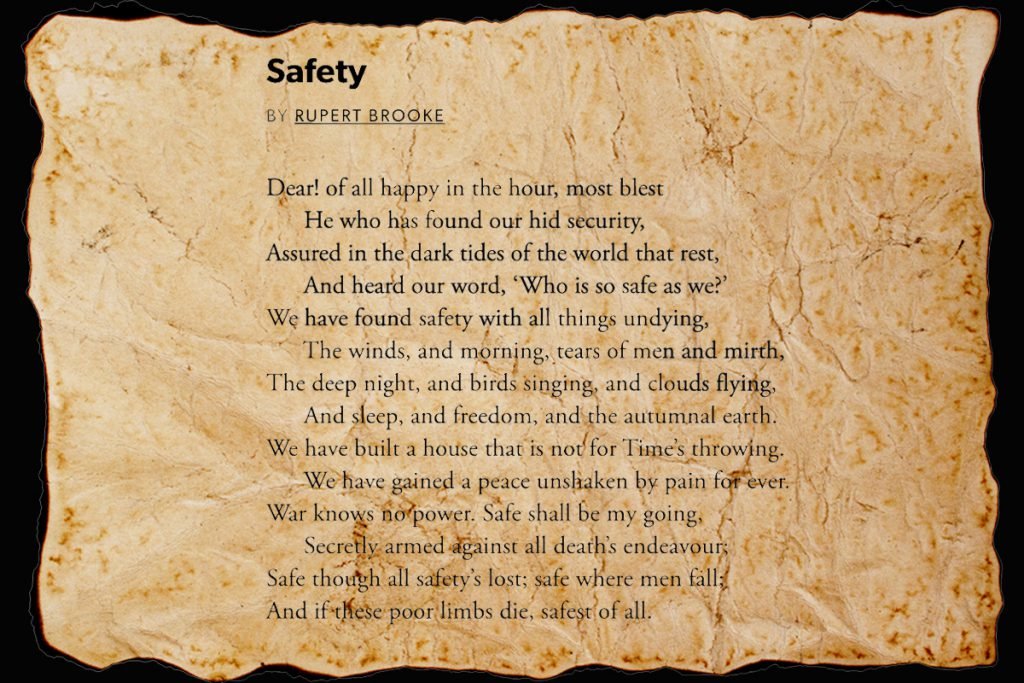
Lamentation poetry unequivocally reverberates through time. Consider the iconic works of Wilfred Owen and W.B. Yeats, who capture the essence of loss with haunting clarity. Each poem resonates as a clarion call, urging us to confront the spectral remnants of human strife.
### A Poem of Lamentation
In trenches deep where shadows creep,
Lost souls entwine, in silence weep.
The clang of steel, the dust of time,
Echoes of youth in a fatal rhyme.

A mother's wail, a lover’s sigh,
Hearts splintered beneath an unyielding sky.
Where laughter once soared, now silence reigns,
The ghosts of the fallen haunt these plains.

Belief stood tall, yet in ashes it fell,
For every cannon's roar, a soul’s farewell.
The sun that set upon valor’s quest
Now bleeds through the night, an unwelcome guest.

Revive the names whispered by dusk,
In corridors of loss, we dare to trust.
To carry forth their stories anew,
Lamentation paves the path we pursue.
This poem encapsulates the quintessence of lamentation poetry by immersing the reader in the harrowing emotional landscape crafted through carefully chosen words. Each line not only articulates the sorrow rooted in war but also instills a profound urgency for remembrance.
### The Broader Implications of War Lamentation
War does not merely alter the lives of those directly involved; it casts a long shadow over generations, altering collective consciousness. Lamentation poetry acts as a vessel for preserving these narratives, commanding us to remember those silenced by violence. What then, dear reader, do we do with this knowledge? Is it enough to reflect, or must we act?
Poetry urges us to witness the world through a lens colored by empathy—a lens marred by the reality of grief. It articulates the pain and prompts a visceral response, pushing each reader toward a deeper awareness of the costs of conflict. The challenge rests not in mere acknowledgment but in fostering a resolve. How do we strive for a world where human lives are not mere footnotes in the ledger of history?
### A Call to Action
In the wake of these reflections, we confront a formidable challenge; one that demands not only introspection but a commitment to understanding. Lamentation poetry implores us to question our collective responsibility. It beckons us to advocate for peace, to remember the fallen, and to honor their stories.
Engage with works that inspire critical dialogue; dive into the realms of literature where the narratives of war and loss intertwine. Seek out voices that echo with the weight of history, those that challenge societal precepts of glorification, and embrace a perspective rooted in appreciation of peace’s fragility.
As you traverse the emotional landscape carved by lamentation poetry, consider this: What will you carry with you, and what legacy will you uphold? May the stories of the fallen fuel a passion for compassion, binding us together in our shared humanity.
In conclusion, the essence of lamentation poetry about war loss and history transcends the boundaries of time and space. It serves as both a reminder and a challenge, inextricably linking our past with our present, while urging us toward a future ripe with the potential for peace.