Modern American Poetry About the Great Depression & Dust Bowl
In the annals of American history, few epochs evoke the visceral ache of loss and tenacity quite like the Great Depression and the Dust Bowl. Contemporary poets, gripped by an unyielding urge to comprehend, to articulate, and to transcend the paralyzing shadows of despair, have woven rich tapestries of verse that illuminate this tumultuous era. Here, we embark upon an exploration of modern American poetry that encapsulates the indomitable spirit of a nation weathered yet resolute, illustrating an exquisite interplay between pain and hope.
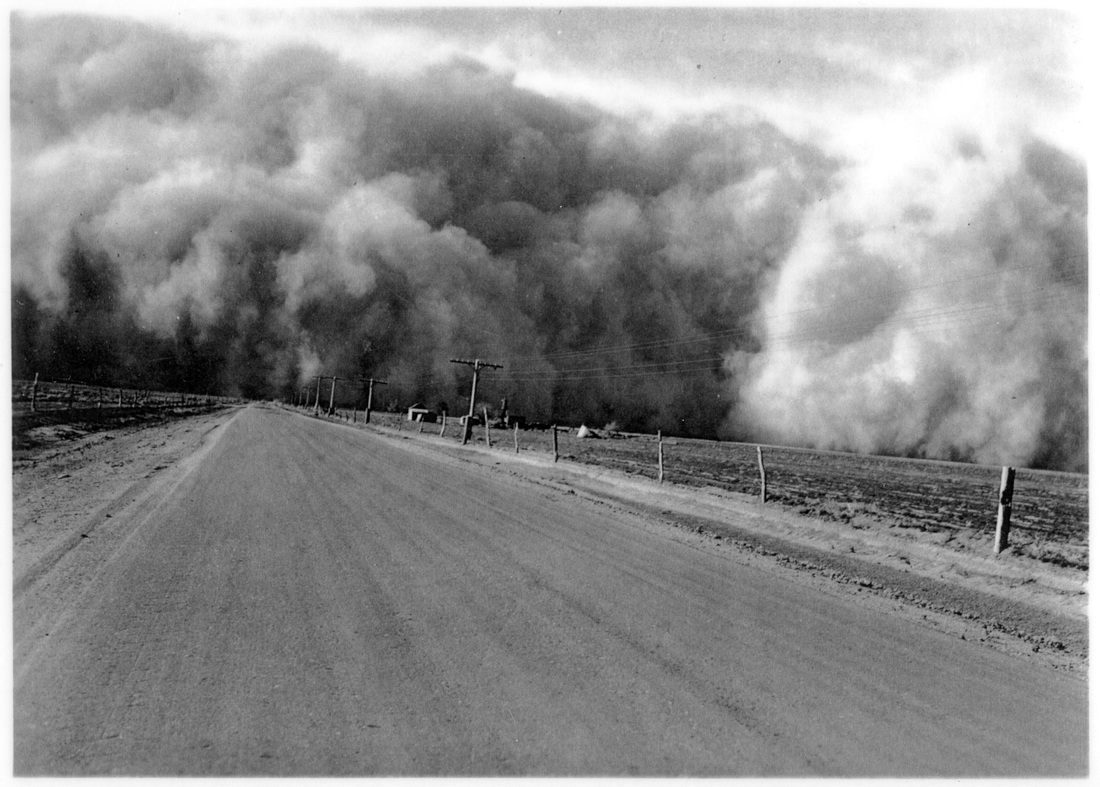
The Great Depression, a cataclysmic event in the late 1920s and 1930s, swept through the fabric of American life, unraveling dreams and ambitions. The Dust Bowl, a subsequent environmental disaster, plagued the heart of America’s agricultural belt, transforming verdant fields into desolate wastelands. Poets today, wielding their pens as instruments of catharsis, delve into these traumatic landscapes and seek to distill, through their work, a deeper understanding of human fragility.
Popular themes among these poets often traverse a spectrum from desolation to resilience, encapsulating the enduring spirit of humanity amidst adversity. The duality of existence, where hope rises like a phoenix from the ashes of despair, becomes a central motif. One striking poetic piece echoes this sentiment:
In fields where shadows waltz with dust,
Beneath the aureate sun’s embrace,
The whispers of bygone dreams combust,
Fertile ground now void of grace.Yet even as the heavens weep,
And roots of anguish intertwine,
The deepest silence, wrought from sleep,
Gives rise to voices, bold, divine.
This poem speaks to the heart of the matter — a paradoxical coexistence of despair and a divine insistence on hope. In the relentless expanse of the Dust Bowl, poets juxtapose natural desolation with the tenacity of the human spirit, a tug of war played out in fervent lines that compel an audience to reflect on their own journeys.
Among the ranks of contemporary poets, many have sought refuge in the crevices of historical narrative, invoking the socio-political milieu of the 1930s as a backdrop to their reflections. Writers such as Elizabeth Alexander have infused their work with thematic elements that hark back to this agonizing past while simultaneously drawing parallels with modern challenges — economic strife, migration, and displacement. The Dust Bowl, a symbol of environmental catastrophe, is repurposed as a metaphor for the present-day struggles against climate change, evoking a melancholic but urgent call to action.
When examining the character of poetry from this era, one cannot overlook the stylistic devices employed by modern poets. Vivid imagery, haunting personification, and raw metaphor are painted across the canvas of their verses. Take, for instance, the evocation of the earth itself — often represented not as an inanimate object but as a sentinel mourning the loss of its children, those who toiled upon its surface.
O, land of promise, bruised and bare,
Your spirit howls in wind’s despair.
Each husk of corn, each barren tree,
A monument to striving’s plea.We wander in your bleached embrace,
Forgotten echoes, our lost race.
Yet in your heart, we plant again,
Seeking dusk’s rebirth, hearts unrestrained.
Herein, the poet elevates the land to a character in its own narrative, imbuing it with a voice that speaks sorrowfully of sacrifice and resilience. The interplay between nature and humanity stands as a testament to the connection we share, one that persists even amidst desolation.
Furthermore, the social ramifications of the Great Depression bubble to the surface of poetic discourse. Poets encapsulate the migratory tales of those who, driven by despair, traversed the country seeking solace and sustenance. The “Okie” migrations, prompted by the Dust Bowl, reveal the human cost of environmental and economic collapse. A new wave of poets deftly captures the essence of these journeys, portraying not mere desperation but also a profound search for identity and belonging.
The aesthetics of modern poetry thus meld classical influences with contemporary sensibilities, challenging readers to delve into the societal contexts enveloping these historical narratives. The struggles of the past take on fresh dimensions, as poets articulate the cyclical nature of hardship, where every generation grapples with its own trials.
Ultimately, poets emerging from the shadows of the Great Depression and the Dust Bowl extend an invitation: to reflect, to empathize, and to engage. Their verses become a bridge across time, inviting modern readers to ponder not only the plight of the past but the nature of their own struggles. It is a poignant reminder that from the ashes of hardship, new growth can arise.
As we conclude this sojourn through the intimate realm of modern American poetry reflective of the Great Depression and Dust Bowl, let us embrace the dichotomy of despair and hope that it represents. This poetry draws us into a collective consciousness, shining light into the dusty corners of history while reminding us that even in the direst of circumstances, a shift in perspective is always possible. So, let the pen be mightier than the sword, crafting narratives of resilience that echo through the ages, for there is a promise etched in every word — a promise of renewal.