Persian Poetry About the Moon Spring & Seasons
The moon, a silvery orb hanging serenely in the dusk, has been a muse for poets across cultures and epochs. In Persian poetry, particularly, the melancholy of moonlit nights harmonizes with the tenderness of spring and the changing seasons. This lyrical alchemy invites readers to frolic through human emotions, dreams, and lush landscapes, transforming mundane observations into profound reflections that resonate with the heartbeat of life.
Each season unfurls a distinct narrative in the realm of Persian verse, weaving together themes of love, nostalgia, and longing. As spring awakens the world from its winter slumber, it fills poetry with vivid imagery and palpable emotion. The moon, oh the moon, acts as the silent witness to these transcendent moments—an eternal companion illuminating the path of desire and reverie.
The Allure of Spring
Spring, known as “Bahâr,” embodies the spirit of rejuvenation, bursting forth with blossoms and verdant splendor. In robust traditions steeped in nature, poets often employ the vibrant metaphors of gardens, blooming roses, and singing birds. The cascading energy of Bahâr permeates their lines, drawing the reader into a vivid tapestry of life’s renewal. The allure of this season is intensified by the moon’s ethereal glow, an emblem of hope and promise under which lovers whisper secrets and exchange oaths of admiration.
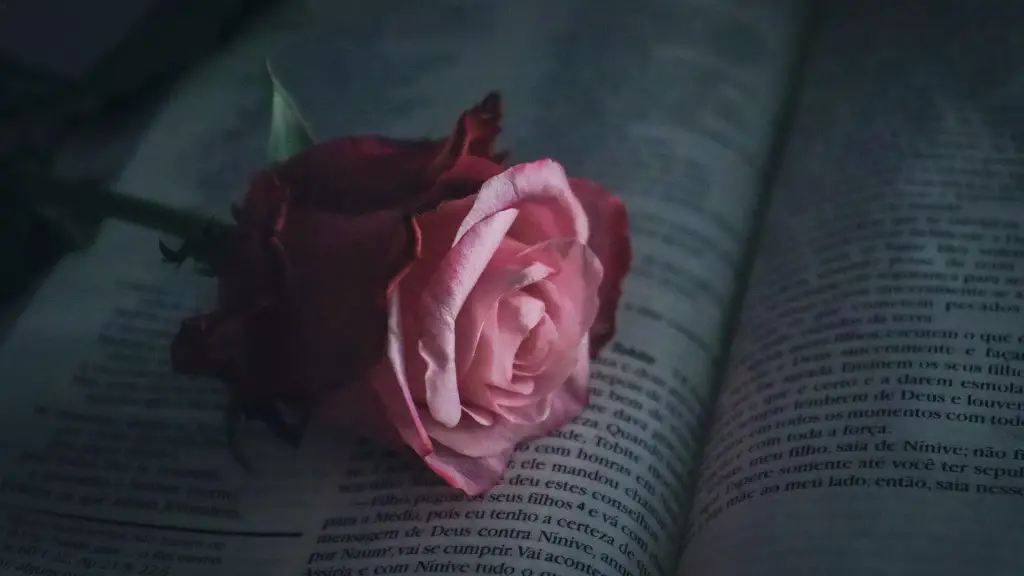
Every petal unfurling is akin to a stanza in a poem—a reminder of the ephemerality of beauty. Persian poetry often reflects upon this fleeting nature:
In the garden where roses beguile,
Grows a secret beneath the moon’s gentle smile.
Promises echo in soft spring air,
Tender murmurs of love we dare to share.
The interplay between the moon and spring evokes a sense of wonder. It suggests that, just as the garden awakens, so too do our souls. The connection is palpable; each moonlit evening becomes a canvas upon which lovers paint their dreams, recognizing the cyclical nature of life and affection.
Summer’s Radiance
As spring blossoms into summer, the poetry transforms, exuding warmth and exuberance. The vibrant phase of life exalts the fullness of being, inviting a more fervent expression of passion and vitality. Nights spent beneath the canopy of stars take on a different tenor; here, the moon does not merely illuminate—it dances, pulsating with the rhythm of laughter, dreams, and whispered promises.
In summer’s embrace, Persian poets celebrate the intoxication of love and desire. The night sky becomes a theater for lovers’ hearts, where every glance exchanged sparkles like the dew on grass. Lines poetry capture this essence, cascading with fervid imagery:
Oh, radiant moon, your brilliance bespeaks,
Of rhapsodies sung and whispered peaks.
In your glow, hearts entranced, entwined,
Revel in summer’s fire, our souls aligned.
This evocation of summer shines a light on the intensity of passion and the promise of union, carrying us through a landscape laden with the fragrance of blooms and the spirit of fervor. The moon, a watchful sentinel in the backdrop of such fervent moments, inspires verses that celebrate a love as boundless as the sky itself.
Autumn’s Reflection
As the leaves begin to change, a poignant transition unfurls. Autumn, or “Páyz,” approaches with all the wistfulness of falling leaves. In this season, poets evoke imagery of sepia tones, capturing a nostalgia colored by the waning light of summer. The moon graces the twilight hours, casting long shadows that reflect a quiet yearning; an acknowledgment of impermanence pervades each line of verse.
The melancholy of autumn prompts reflections on love lost, longing, and reverie—poetic themes masterfully expressed through a symbolic language steeped in nature’s bounty. The moon emerges as a harbinger of remembrance:
As leaves descend, the moonlight wanes,
Echoing lovers’ sighs, their bittersweet gains.
In the tapestry woven with colors bold,
Lie whispers of tales that the heart once told.
In this season, there exists a duality; the beauty of life intertwines with the sorrow of change. Persian poetry captures the essence of this transition, underlining how even as things fade, they do not vanish—they transform and linger, resplendent under the moon’s gaze.
Winter’s Solitude
Finally, winter arrives, enveloping the world in stillness and introspection. “Zemestân,” with its stark beauty, invites poets to explore themes of solitude and reflection. Under the glimmering moon, landscapes become enchanted, quietude reigns, and the essence of longing deepens. The cool, crisp air carries a sense of solemnity. Yet within this stillness lies a sanctuary of thought; poets, undeterred by the chill, find warmth in introspection.
Through the introspective lens of winter, Persian poets craft verses that celebrate the resilience of the heart:
In the quietude of snow, the moonlight gleams,
Whispering soft hopes and untroubled dreams.
Though winter’s grasp holds the world in sway,
Life stirs beneath, waiting for spring’s soft ray.
In conclusion, the cyclical dance of the seasons finds reflection in the realm of Persian poetry, which weaves a rich narrative through the lens of the moon. Each season dances to its own tempo, carving a path for myriad emotions—celebration, longing, remembrance, and hope. The luminescent moon acts not only as a witness but also as an eternal catalyst, kindling the hearts of poets and lovers alike. With each stanza penned beneath its watchful eye, the resonance of Persian poetry reminds us that with every season passing, the promise of renewal awaits, shimmering just beyond the horizon.