Poetry About Abraham Lincoln & American History Explained
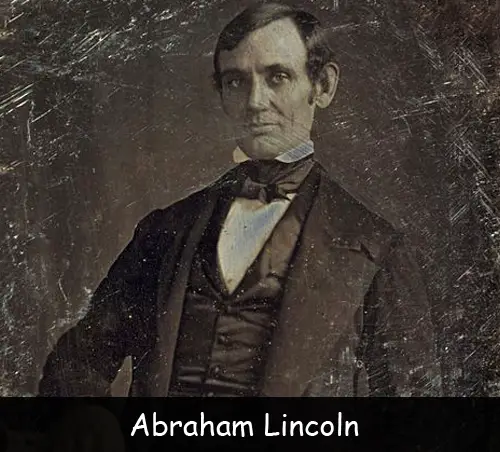
In the grand tapestry of American history, there exist threads woven with valor, conviction, and unyielding resolve. Amidst these, one figure stands resolute, a paragon of integrity and hope. His name reverberates through time, echoing the dreams of a nation sprawled with myriad contradictions: Abraham Lincoln. To traverse the landscapes of his life and legacy invites not merely an exploration of historical facts, but a poetic journey that calls upon the reader to reflect deeply upon the tenets of democracy, freedom, and humanity.
Lincoln’s life—a narrative laced with moments of triumph and tribulation—invites the heart to ponder. Born amid the rustic embrace of Kentucky in 1809, the boy emerged from humble beginnings to ascend to the highest office of the land. His evolution from a log cabin to the hallowed halls of the White House is a stirring testament to the American dream. Yet, the journey was fraught with anguish, for it was during his presidency that the nation grappled with the agonizing turmoil of civil war.
Consider the heart of this remarkable soul through the prism of verse:
In shadows deep, where silence creaks,
A humble man, with dreams that speak,
From logs and dreams, his journey starts,
With sturdy hands and steadfast heart.A beacon bright, in tempest tossed,
For union dear, and lives not lost,
He raised his voice ‘gainst chains of fate,
To carve a future, bold and great.Through battle’s cry, injustice feared,
He stood with hope, though often sneered,
With words like fire, kindling the night,
He stitched the seams of wrong to right.From Emancipation’s dawning light,
Freedom’s song soared to new heights,
For every soul, every mother’s plea,
A chance to rise, a chance to be.
This poem, however, serves as more than mere reflection; it is a challenge—a clarion call to each reader. In a world often discordant, where empathy is confined within boundaries, Lincoln’s legacy reminds us of the imperative to bridge chasms. The task lies not solely in remembrance, but in action. Can one kindle the flame of compassion and justice within the chambers of their own heart?
To truly understand Lincoln’s impact on American history is to delve into the contours of his policies, the harrowing trials of his age, and the moral fortitude required to redefine a nation. The Civil War stood as a bitter crucible, where brother confronted brother; the lines of loyalty drawn not merely by geography but by profound ideological divides. In this context, Lincoln’s appointment of the Emancipation Proclamation stands as a pivotal moment, a moral edict that sought to liberate enslaved individuals, affirming the tenets of liberty inscribed within the Declaration of Independence.
Yet, the challenges extend beyond the pages of history. In asking what Lincoln’s life bequeaths, one must confront the consequences of the choices made. The question arises—what does justice mean in our own era? Are the ideals of freedom and equality that Lincoln championed alive today, or have they faded into shadows?
The essence of Lincoln’s sagacity lies in his unwavering belief in the power of the individual. He challenged the notion that greatness lies solely in grandeur, instead positing that true legacy springs forth from authenticity and empathy. This notion extends a hand to all, suggesting that each person bears the potential to influence the course of history. Are we, as citizens of the present, prepared to heed the call? Can we breathe life into the ideals for which he stood, or will we stand as mere spectators of our reality?
Amidst wars and societal strife, it becomes evident that Lincoln’s voice—emblazoned with authority yet softened by compassion—calls us toward introspection. His famous words resonate: “A house divided against itself cannot stand.” This implores us to reckon with our divisions, be they political, social, or personal. As we navigate the complexities of modern challenges, we must ponder how to cultivate unity amidst diversity. What must we do to sow seeds of reconciliation and understanding in our communities?
In this contemplative traverse through Lincoln’s life, the essence of his being points us toward a shared human experience. Embracing his legacy encourages us to awaken our consciousness, paving the way for dialogue rooted in kindness. The poet’s role is but a mirror, reflecting the truths of existence, urging each of us toward echoes of our own potential.
Thus, let Lincoln’s soul inspire, not just through the annals of time but within the pulsing heart of today’s society, where each word written, each act of kindness, every journey of self-discovery contributes to our collective narrative. The challenge stands—can we write our stanzas, enact our verses for justice, and aspire to bind our communities with threads of hope?
It is here, in the confluence of reflection and action, that poetry finds purpose, and history unfurls its profound significance. Will you answer the call to weave a brighter legacy?