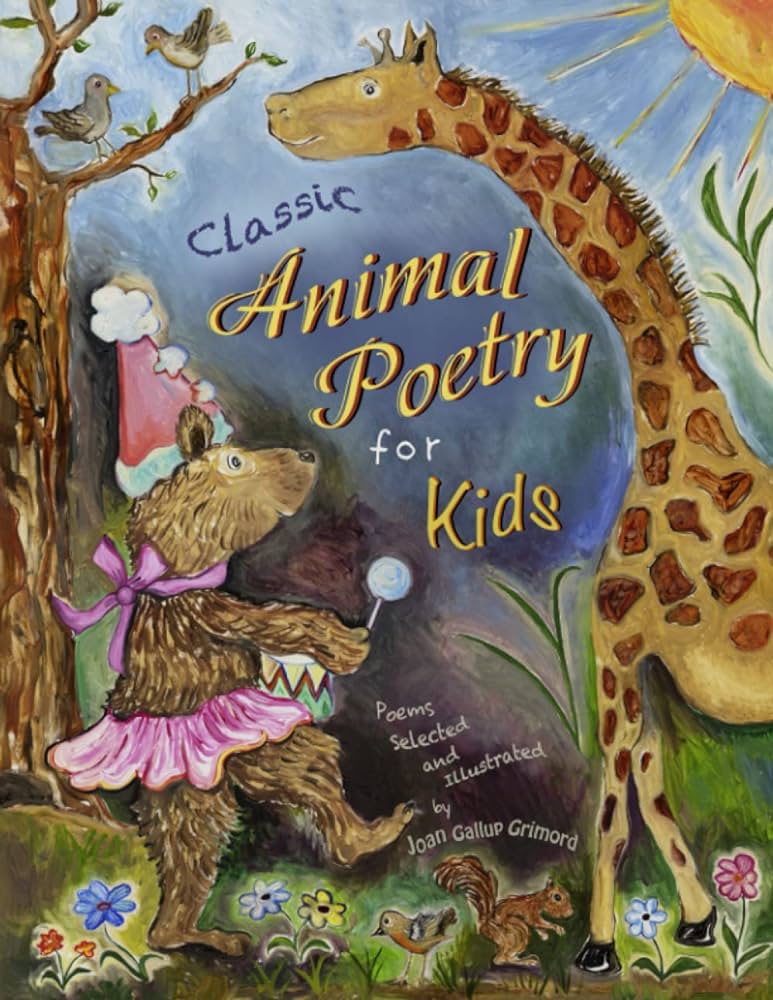
Poetry About Animals Like Bulldogs & Symbolism Explained
Animals have long inspired the hearts and minds of poets, weaving their essence into verses that transcend time. Bulldogs, with their stout forms and gentle dispositions, hold a unique place within the tapestry of poetic inspiration. This article explores the symbolism of bulldogs in poetry, offering an ode to their character while traversing the fragrant paths of literary imagination.
Imagine, for a moment, a bulldog—not merely as a breed, but as a symbol of resilience and steadfastness. In the realm of poetry, animals oftentimes represent more than their physical existence; they embody the ideals and emotions of the human experience. This steadfast companion reflects loyalty, tenacity, and an unyielding spirit. To illustrate this notion, let us delve into a verse encapsulating the bulldog’s essence:
The Bulldog’s Heart
In sturdy guise, the bulldog stands,
A figure carved from time’s own hands.
With jowls that sag, yet spirit fierce,
He growls, a guardian with heart that pierce.
His eyes a mirror, wise and deep,
Through storm and shadow, promises keep.
Boundless loyalty, a faith entwined,
In the fabric of love, we find.
This poem encapsulates the deeper symbolism associated with bulldogs, portraying them as stalwart protectors—ever loyal and insightful. But what does this really convey? The bulldog serves as a metaphor for the steadfastness of those who walk life’s journey alongside us, embodying qualities of friendship and unwavering devotion.
The bulldog is not alone on this literary voyage. In fact, various animals throughout the ages have similarly inspired poets, becoming vessels for emotions, beliefs, and societal reflections. From the regal lion to the shifty fox, each creature is etched into the fabric of poetry, their characteristics explored through the lens of symbolism.
Let’s examine different types of animal symbolism prevalent in poetry, particularly as they relate to the bulldog’s symbolic nature:
- Loyalty and Friendship: The bulldog’s depiction often mirrors themes of loyalty, showcasing the unbreakable bonds of friendship. This manner of representation invites poets to explore the sentiment of companionship through the different stages of life.
- Courage and Tenacity: Bulldogs stand firm in the face of adversity. This particular theme resonates through poetry that focuses on overcoming challenges, where the bulldog becomes a harbinger of bravery, reminding us to seize our inner strength.
- Comfort and Stability: Their robust presence offers a symbol of calmness and protection. In literature, this translates to the need for stability within one’s life, often leading to themes such as home, family, and secure love.
- Playfulness and Joy: Beyond the serious traits, bulldogs invite a light-hearted interpretation, embodying mischief and play. This aspect is essential to explore the lighter themes of life, which often inject humor and joy into poetry.
In contrast to the bulldog’s steadfast nature, one might venture into a discussion about more whimsical creatures like the playful kitten or the clever crow. Both bring their own nuances and sentiments worthy of poetic exploration. Yet, it is the dichotomous beauty of the bulldog, juxtaposed against these more ephemeral creatures, which speaks volumes about complexities in relationships and life.
Continuing with the theme of companionship and loyalty, the following stanza further illustrates the bulldog’s unique role within the home:
For every shadow that whispers of doubt,
The bulldog’s growl is a clarion shout.
Through thick and thin, in laughter and tears,
A witness to lives, untroubled by fears.
A tapestry woven with moments we share,
The bulldog remains, with an endearing glare.
Animals, like the bulldog, do not stand alone in poetry. They interlace with the human experience, their symbolism acting as a mirror reflecting the depths of human emotions. This interplay between animal and human emotions enriches the poetic experience, elevating the ordinary to the extraordinary.
Moreover, the bulldog’s presence in poetry can also spark discussions about societal views—how we perceive strength and gentleness. This duality resonates deeply within a culture that often finds itself wrestling with the ideals of masculinity and femininity. The bulldog, with its tough exterior and loving nature, can serve as a potent symbol that challenges stereotypes.
As we lap up these reflections, poetry about bulldogs can inspire readers and writers alike to examine their relationships—both with others and themselves—through the lens of commitment and loyalty.
In conclusion, the poetic exploration of animals like bulldogs significantly enriches the literary landscape, serving as a reminder of the companionship we often seek. The volatility of emotions, encapsulated in the warmth of a bulldog’s gaze, speaks to a deeper truth that transcends the written word. As you venture forth into the world of poetry, may you find inspiration in the steadfast spirits of our animal companions, carving out spaces of love and loyalty in your heart.
Embrace the written word, in its myriad forms, and allow it to guide you through the complexities of existence—one verse at a time.