Poetry About Race Justice & Social Change That Matters
In a world woven with countless threads of experience, race justice and social change resonate as powerful motifs in the symphony of human existence. Poetry, with its fluidity and grace, emerges as a beacon—illuminating paths toward equality and comprehension. The nuances of race and justice weave an intricate tapestry, revealing both the burdens and the triumphs that define our collective journey. Here, within the folds of verse, lies an invitation: to challenge the mundane and engage wholeheartedly with the dialogue that drives our pursuit for equity. Are you ready to embark on this lyrical exploration?
The poignancy of poetry speaks not merely through its words but through the human experience it encapsulates—a mirror reflecting our deepest fears, hopes, and aspirations. Race justice, a tenet echoing through time, demands a voice that resonates beyond the bounds of mere rhetoric. In this sectional exploration, let us bask in the illumination of poetic expressions that have kindled flames of awareness and forged alliances among diverse communities.
In the cadence of these verses, we witness the raw power of language, inspired by the movements that have challenged the status quo. With the likes of Maya Angelou, Langston Hughes, and Audre Lorde, the tradition of poetry on race and social justice burgeons. Their words sizzle with urgency, striking at the very heart of oppression, and urging the reader not to sit idly by. They compel us to stand at the precipice of change, to explore what it means to exist in a world fraught with discrimination.
Consider this poem, which seeks to encapsulate the essence of our shared struggle:
<span style="font-weight:bold;">Voices Rise</span>

In hidden tomes of yesteryears,
Whispers echo, muted fears.
A tapestry of skin and kin,
Threads of loss, and where we begin.

Raindrops fall, a river's sigh,
Each droplet a life, all asking why.
Brick by brick, we build and break,
Awakening hearts—what will we make?

Let every verse ignite a spark,
To harbor empathy where there’s dark.
No more silence, let it be known,
The fight for justice cannot be postponed.

In unity’s name, we stand aligned,
With compassion's cloak, our hearts we bind.
For every story, a chance to share,
Breathe together, the weight we bear.

For within our differences lies the art,
The human spirit that knows no part.
Hand in hand, we manifest dreams,
In the canvas of hope, let justice stream.
How does this poem resonate with your essence? Do you feel the gravity of those voices rising? The very act of writing and engaging in poetry challenges the reader to not only absorb the messages but to actively participate in the quest for equity. It implores individuals to leap beyond passive observation and into the realm of empathy-driven action.
As we traverse this landscape, let us delve deeper into the reservoirs of poetic expression that refuse to be silenced. From slams celebrating cultural identity to lyricists weaving tales of resilience, poetry serves as a powerful catalyst for change. In this endeavor, it is imperative to honor diverse voices—those that have historically remained on the periphery of literary spaces.
Consider the revelatory capacity of community poetry. Gathered in circles of expression, individuals share their stories—exposing truths that gape like wounds and bridging gaps forged by ignorance. Through workshops and spoken word events, poetry has the power to not just tell a story but to rewrite narratives. It reshapes identity, cultivates understanding, and galvanizes collective action.
Moreover, the challenge extends to the reader. The act of engaging with such powerful verse necessitates a reflection—an interrogation of one’s own privileges and biases. It asks haunting questions: How do I fit within the narrative of race justice? What actions stimulate my pursuit for equality? In what ways can I harness the power of my voice to uplift others?
In the spirit of nurturing introspection, the relationship between poets and their readers transforms. Readers are no longer mere consumers; they metamorphose into participants, empowered to amplify the messages they’ve absorbed. Encouraging the public to write their own verses, to contribute to a continuous dialogue, extends the reach of poetry as a transformative force.
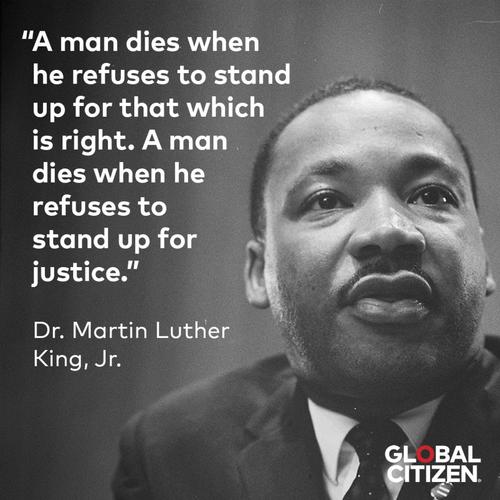
The embrace of verse becomes an invitation to engage in activism—a call to rally for change, rooted in the belief that the arc of the moral universe, as Dr. Martin Luther King Jr. poignantly reminded us, bends toward justice. Each poem becomes a heart’s manifesto, pushing against the boundaries of what is acceptable, demanding a reckoning with systemic inequalities.
In conclusion, as poetry about race and social justice continues to unfold, there emerges an undeniable truth: words wield power. They have the potential to forge bonds, heal wounds, and revitalize spirits. By exploring the intersection of art and activism, we not only celebrate the voices that demand change but also challenge one another to cultivate a deeper understanding.Thus, equip yourself with the wisdom found in poetic lines, immerse yourself in this brave discourse, and let your voice become part of the collective anthem for justice. The world is listening—what will you choose to say?