Poetry About Women Identity & Modern Perspectives
In the tapestry of life, women’s identities are woven with threads of expectation, history, and resilience. The delicate interplay of societal norms and personal aspirations forms the crux of their poetic journeys. Poetry serves as both a mirror and a canvas, reflecting the modern woman’s myriad roles and her quest for self-definition in a rapidly changing world.
At the heart of this exploration, one can find the intricate dance of expectations, the dichotomy between tradition and modernity. Women have long been sculpted by the hands of history, bound by the constraints of social expectations that echo through time. Yet, in the modern era, an awakening stirs—a clarion call to redefine identities, to embrace multifaceted selves that pulsate with authenticity.
Let us embark upon this journey through verse, a lyrical ode to the hearts of women who navigate the waters of expectation and identity.
Ode to the Modern Muse
In the quiet chambers of her heart, she churns, A chrysalis cloaked in expectations, Unraveling threads of doubt, of yearn, Awakening from the echoes of limitations.
She bleeds ink, splashes dreams on the page, Her voice a tempest, a whisper, a song, In realms where silence once held her cage, Now thunderous verses rise, bold and strong.
No longer defined by tags of the past, She dons the armor of her own decree, With each word woven, a story amassed, Unfurling wings to embrace the vast sea.
Bound by nurturing hands and bygone roles, Yet fierce as the fire that longs to ignite, She traverses through shadows, her spirit consoles, Each poem a beacon, illuminating the night.
This poem encapsulates the essence of the modern woman, a figure metamorphosing through the crucible of expectation, emerging more luminous than before. It speaks to the countless stories—each unique yet universally resonant—that echo in the hearts of women striving to define their own existence.
As we delve deeper into the exploration of women’s identity, one must examine the multifarious archetypes that shape these narratives. The nurturer, the warrior, the scholar, and the rebel; these roles are not isolated, but rather interconnected threads in the fabric of femininity. Each identity carries with it a weight of expectation, often juxtaposing personal aspirations against societal norms.
The nurturer, typically cloaked in the expectation of selflessness, embodies the sacrificial ethos that has long been revered. This archetype, while noble, often leaves behind tattered dreams. Yet, in modern poetry, we find voices that reclaim this identity, transforming the narrative from one of mere service to one of empowerment and agency. The poem becomes a sanctuary—an exploration of the complex interplay between care and self-actualization.
Conversely, the warrior emerges as a powerful representation of defiance. She embodies strength, courage, and the relentless pursuit of justice. The modern muse reflects a deep yearning to challenge patriarchal structures and to transcend societal limitations. Through vigorous verse, she articulates her fight against oppression, weaving her battles into declarations of identity. This expression not only galvanizes others but also instills a sense of communal solidarity among women.
Then, there is the scholar, nuanced and cerebral, overflowing with curiosity and intellect. In poetry, her journey is often depicted as a labyrinth, where knowledge becomes both her sword and her shield. Modern perspectives celebrate her thirst for understanding, challenging the notion that femininity is at odds with intellectual pursuit. Rather, her identity flourishes in the amalgamation of wisdom and creativity, enriching the tapestry of womanhood.
The rebel archetype, reminiscent of bold pioneers, unfurls her banner with pride. She challenges conventions, beckoning a reinvention of norms. In the realm of poetry, her voice often reverberates with passion and rebellion, spitting defiance against the chains of conformity. Her words crackle with the fire of change, urging others to rise and reshape their destinies. In this modern era, the rebel becomes not just an individual, but a collective force—women uniting not merely to survive but to thrive.
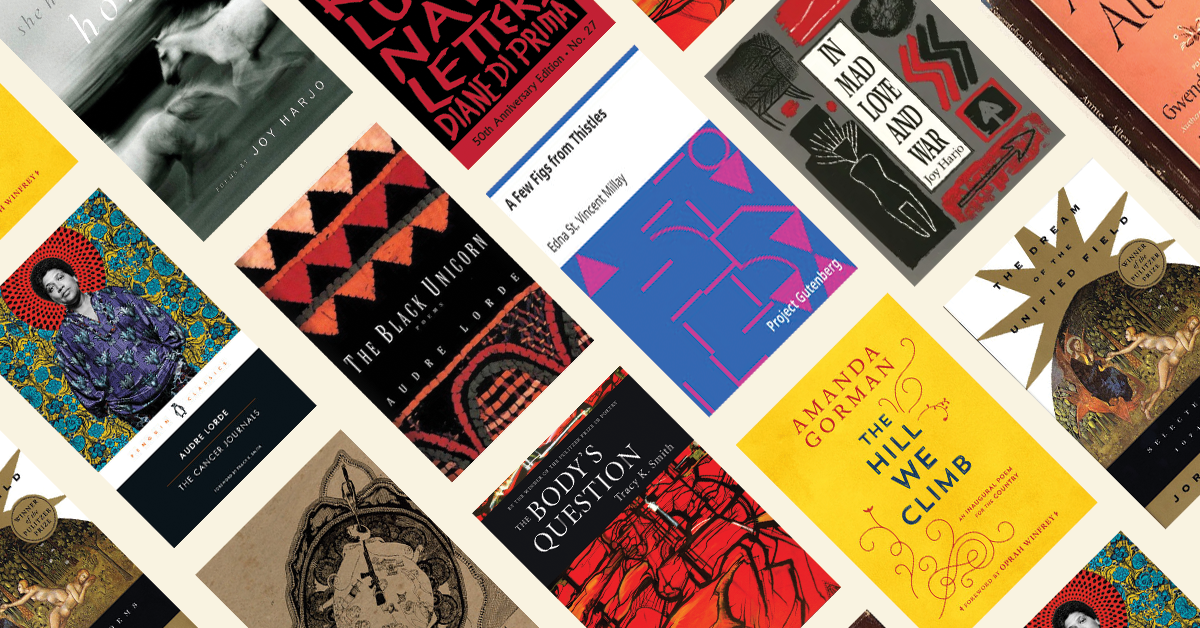
To illustrate this further, consider the work of contemporary poets who tackle the complexities of womanhood head-on. Their verses become conduits through which discussions on gender identity, sexuality, and empowerment flow. Each poem serves to dismantle the barriers of expectation that society so often constructs, while simultaneously celebrating the strength and diversity of women’s experiences.
The journey through women’s identity is neither linear nor devoid of struggle. It is a vibrant mosaic, rich with the colors of aspiration, frustration, and triumph. Through the lens of modern perspectives, poetry becomes an essential tool in navigating the intricate web of identity. It invites women to articulate their truths boldly, not simply to conform to expectations but to redefine them for themselves and future generations.
The evolution of womanhood is a perpetual unfolding—a story written in countless voices, each echoing with the strength of experience. Poetry, therefore, is a testament to the resilience of women as they carve their paths in a world that often seeks to confine them.
In conclusion, the exploration of poetry surrounding women’s identity unearths the profound layers of expectation, struggle, and triumph. As we continue to uplift these voices and share these stories, we contribute to a broader narrative—one where every woman can find her own place, her own truth, and her unique expression of identity.